AutoLoopers
AutoLoopers
Get A Demo

SaaS operations, without the manual setup

If anyone is manually configuring accounts, that is an ops problem at the worst possible moment, right after someone just paid you.
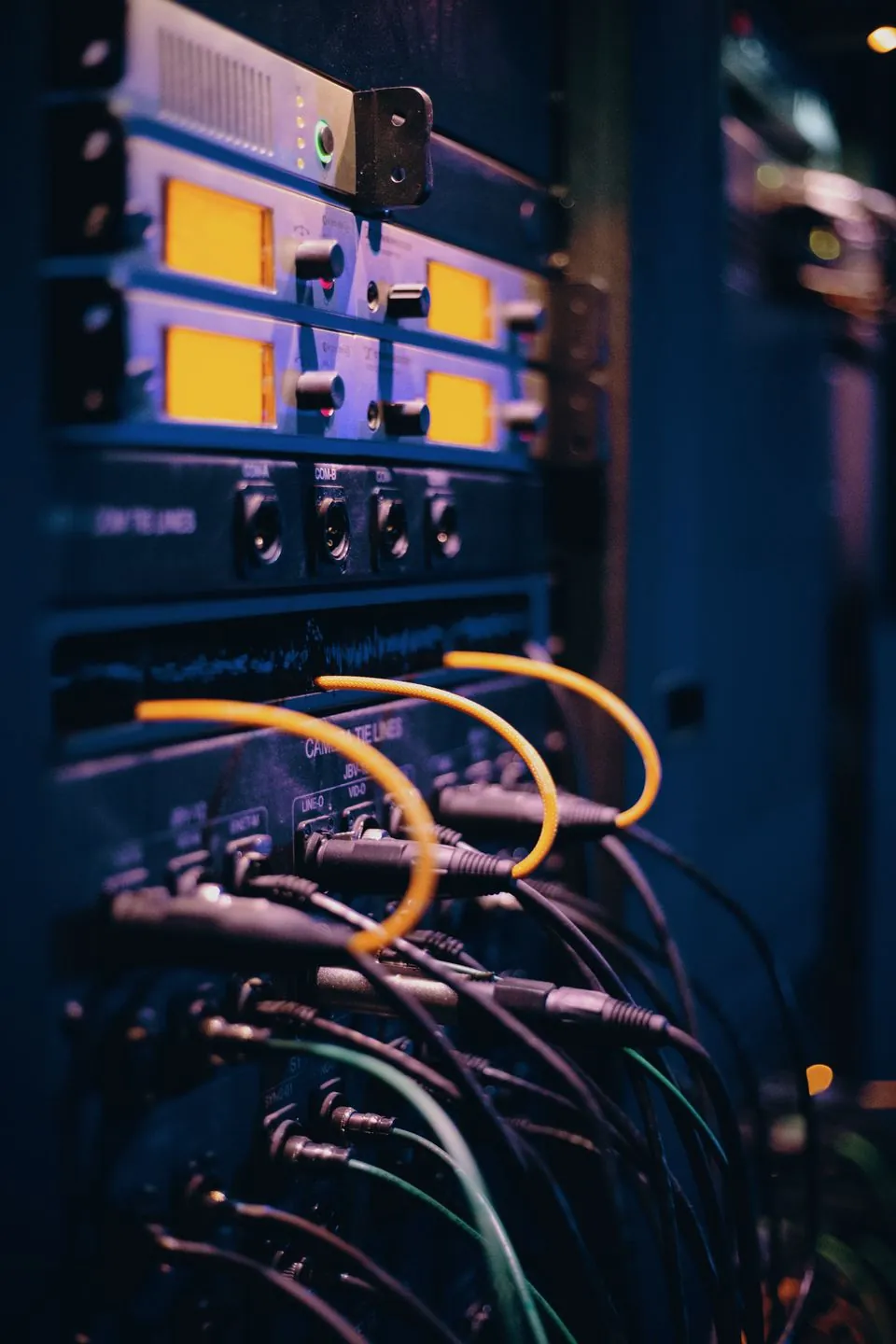
A rack of patch cables and connectors lit in blue, seen close up

Five systems that run a SaaS operation

Not features. Each of these is a build that runs in the tools your team already has open, whether or not anybody is watching it.

The order becomes the account. Workspace, seats and plan limits are created from what was actually bought, and the welcome sequence starts from the same record rather than from somebody remembering to send it.

The steps that predict whether an account sticks are tracked as they happen. When one has not happened by the day it usually does, the account owner hears about it while there is still time to help.

Every renewal date sits in one calendar with an owner and the account context attached. Work opens far enough ahead that a conversation is possible, rather than a reminder arriving the week the card is charged.

Support requests, failed payments and accounts that have gone quiet are read, sorted and put in front of whoever owns them. Nothing waits in a shared inbox for somebody to notice it.

Signups, activation, churn and the accounts that moved are pulled together on the same day every week and put where the team already looks. A person reads it. Nobody spends a morning building it.

Where the day goes

A deal closes on Tuesday. Somebody creates the workspace, invites the seats, copies the plan limits across from the order form, and sends a welcome email written from a template that is two versions out of date. None of that is product work. All of it happens in the hour the customer is paying the most attention.

The cost is rarely one large failure. It is the small gaps: a trial that expired while the champion was on leave, an account that never got past the first screen because nobody noticed, a renewal that surfaced eleven days before the date. Each one is recoverable on its own. Together they decide what your retention number is.

Automation earns its place here by taking the steps that never needed judgment: creating, inviting, reminding, recording. What is left is the conversation with the customer, which is the part a person was always better at anyway.


An abstract three dimensional render of a glossy dark liquid surface
An office building at night, its windows lit and the desks still occupied

Built for the teams whose signups arrive faster than their setup.

Built to work inside your accounts, not around them

The short version. The full detail is on the security page.

Read the security page
We work inside your accounts, not copies of themThe systems live in the tools you already own. You keep the keys and can revoke access yourself at any point.
Nothing of yours is copied onto our systemsWe do not take exports and we do not keep a shadow copy of your client records.
Only people you have approvedNamed members of our team, protected by two factor authentication, with credentials in a password manager rather than a message thread.
When it ends, the build stays with youAccess is removed and the configuration and automations remain yours. We are not SOC 2 or ISO 27001 certified, and we say so rather than implying otherwise.

What our clients say

They didn’t just build pages or connect a few automations. They turned a detailed business process into a working system.
Hinesh Chauhan President, Evolut Consult
Read the case study

Questions SaaS teams ask first

Do you need access to our production systems?
We work inside the accounts you already own rather than taking copies. Nothing of yours is exported onto our systems, and you can revoke our access yourself at any point, before or after an engagement ends.
Who on your side gets access?
Named members of our team, and only the ones your work requires. Access is protected by two factor authentication and credentials are held in a password manager rather than a spreadsheet or a message thread.
Are you SOC 2 or ISO 27001 certified?
No. We are a small team and claiming a certification we do not hold would be the first thing worth distrusting. The security page says exactly what we do and do not do, including the things we will not promise.
What happens to the build if we stop working with you?
Access is removed and the build stays with you. The configuration and the automations sit in your accounts, so they keep running. Anything that was running on our own infrastructure stops, and we say so rather than implying otherwise.
Do we have to change the tools our team already uses?
No. A system is wired to the stack you run today, including your billing and your support desk. Replacing a working tool is a separate decision with its own cost, and it is not one automation should force.

Worth reading next

All field notes

Let’s talk

Ready to put your
operations on autopilot?

Contact us